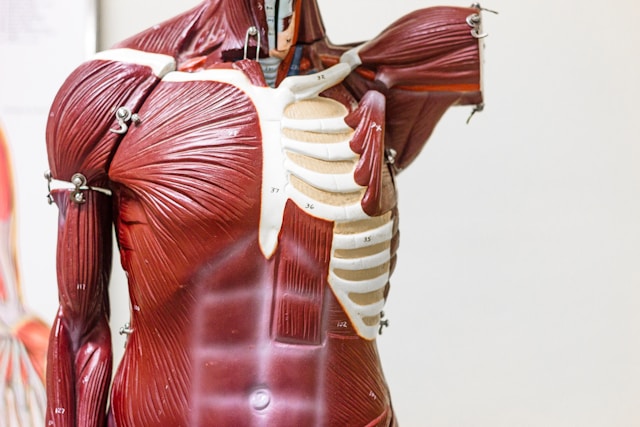
Stress isn’t just something you feel in your head, it shows up in your body too. Many patients don’t realise that ongoing stress can contribute to neck pain, shoulder tightness, jaw clenching, headaches, lower back discomfort, and that wonderfully inconvenient feeling of being “tense for no obvious reason”.
We spend a huge amount of time in a state of doing, rushing, worrying, and bracing. Over time, that can keep the nervous system in a more protective, alert state, which increases muscle tension and makes it harder for the body to fully relax.
Chiropractic care fits naturally into this picture by helping improve movement, reduce physical tension, and support healthier nervous system regulation. Let’s explore how stress and tension become so closely linked, and what you can do to stop your body acting like it’s preparing for battle every time you open your inbox.
The Hidden Impact of Stress on Your Body
Your nervous system is designed to help you respond to challenges, but it can become stuck in a more alert, “fight or flight” mode when stress is ongoing. In that state, muscles tend to brace, breathing often becomes shallower, and posture can change without you even noticing.
This protective response makes sense in the short term. The problem is that modern stressors rarely come with a finish line, so the body can keep holding tension long after the original trigger has passed. Over time, this can contribute to stiffness, reduced mobility, and recurringmusculoskeletal pain.
What’s your body’s favourite stress-holding area?
- Neck and shoulders: classic “I’ve got too much on” territory.
- Jaw and temples: often linked with clenching and grinding.
- Upper back: where posture and stress love to team up.
- Lower back: frequently tight when the body feels guarded or overloaded.
Research and clinical commentary consistently note that stress-related muscle guarding commonly affects the neck, shoulders, jaw, and back, and that this can feed into pain and postural strain.
Are You Carrying Stress in Your Muscles?
Your muscles can hold tension even when you think you’re “fine.” Sometimes the signs are obvious, and sometimes they show up as the less dramatic but equally annoying version of discomfort: stiffness after sitting, headaches, a tight chest, or feeling physically worn out despite not doing anything especially strenuous.
Spot the signs your body may be holding stress:
- Persistent neck and shoulder tightness.
- Jaw clenching or tooth grinding.
- Headaches, especially around the temples or base of the skull.
- Feeling “wired but tired.”
- Difficulty fully relaxing, even when resting.
Quick check-in: lift your shoulders, unclench your jaw, and take a slow breath in through your nose. If that already feels like a small intervention, your body may be asking for a reset.
What Science Suggests About Stress and Tension
The stress response affects both the nervous system and the musculoskeletal system, which is why the link between emotional load and physical discomfort is so common. When stress becomes chronic, the body can stay in a defensive pattern, with muscles tightening and movement becoming less efficient.
That repeated tension may contribute to pain cycles: stress increases tightness, tightness increases pain, and pain creates more stress. In other words, your body can end up in a loop that feels very committed to being unhelpful. Chiropractic sources describe spinal mobility, soft tissue work, and posture support as part of interrupting that cycle.
How Chiropractic Care Fits In
Chiropractic care focuses on the relationship between the spine, movement, and nervous system function. When joints are moving well, surrounding muscles often have less need to brace, which can help reduce the physical expression of stress.
Many patients report feeling looser, breathing more easily, and moving better after care, especially when treatment is paired with stretching, breathing work, and lifestyle changes. Chiropractic assessment may include spinal mobility, posture, and identification of areas where the body is holding on too tightly.
Chiropractic assessment can include:
- Full spinal mobility check.
- Posture and movement assessment.
- Identification of common tension patterns.
- Practical exercise and mobility advice.
- Breathing and recovery strategies.
What You Can Do Daily
You cannot remove stress entirely, but you can change how your body responds to it. Small, consistent habits matter more than dramatic one-off fixes, especially when it comes to nervous system regulation and muscle tension.
Try these simple steps:
- Breathe slowly and deeply, especially during busy periods.
- Take movement breaks if you sit for long stretches.
- Notice clenching habits in your jaw, shoulders, or hands.
- Stretch areas that regularly tighten.
Build in recovery time, not just productivity time.
A useful rule of thumb: if your body feels like it is permanently bracing for a surprise, it probably needs more recovery than “just one more coffee” can provide.
Final Thoughts
Stress is not only mental, it is physical, postural, and deeply connected to how your nervous system and muscles communicate. When that communication becomes overactive, tension can build, pain can linger, and simple day-to-day movement can start to feel harder than it should.
Chiropractic care can play a supportive role by improving mobility, reducing tension, and helping your body move out of that constant guarded state. The goal is not to eliminate stress from life, but to stop it from living rent-free in your neck, shoulders, and lower back.
Written by Dominique Jay, Doctor of Chiropractic at Back2Normal Chiropractic